
In a world filled with sophisticated auto repair shops and high-tech diagnostics tools, it's easy to overlook the basics of car maintenance. Yet, understanding how to perform essential checks on your vehicle can save you time and money, perhaps even becoming your newfound passion. In this guide, we'll unveil the practical car checks every savvy driver should know to keep their vehicle in peak condition.
The Art of the Walkaround
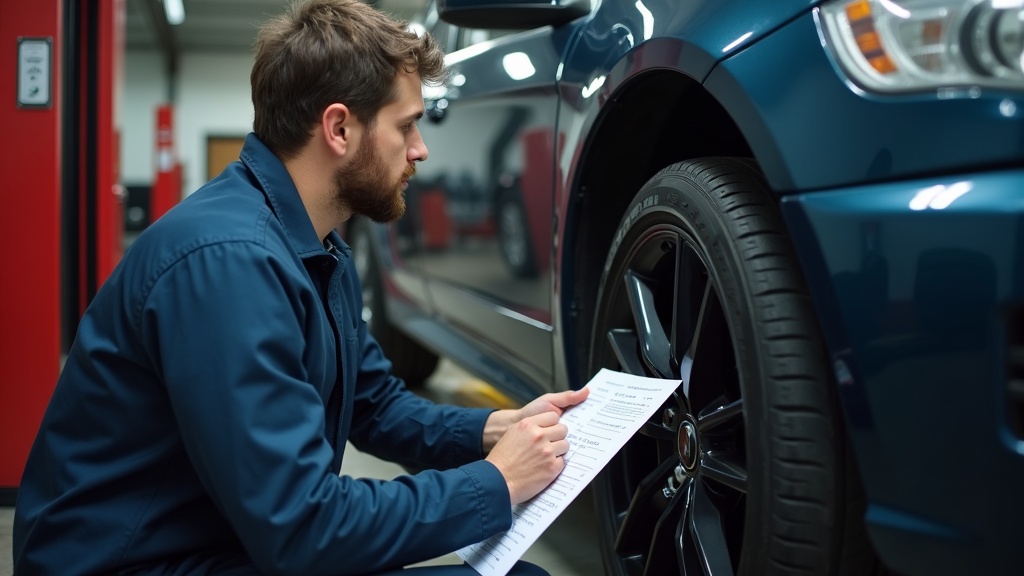
Before embarking on a journey, it's wise to conduct a thorough walkaround of your car. Inspect the exterior for any visible damage or concerns such as dents, scratches, or pits in the windows, which may worsen with time. Pay particular attention to the state of your windshield wipers since their efficiency is crucial during adverse weather conditions. Adequate knowledge of your car's appearance will enable quick identification of new issues and help maintain its aesthetic appeal.
Tire Pressure: The Unsung Hero of Efficiency
Underinflated tires can lead to decreased fuel efficiency, compromised handling, and increased tire wear. Therefore, it’s important to keep your tires inflated to their recommended pressure. To check, invest in a reliable tire pressure gauge and compare readings to the manufacturer's specifications. Remember, tire pressure should be checked 'cold,' as driving heats the tires and can lead to inaccurate readings.
Deciphering the Mystery of Fluid Levels
Fluids are the lifeblood of your car, needing constant vigilance. Regularly check oil levels using the dipstick method to ensure the engine remains lubricated and free from damage. Inspect coolant levels in the reservoir to prevent overheating. Brake fluid and power steering fluid are also crucial for maintaining vehicle control and should be monitored closely. Low levels could indicate leaks or more serious issues.
Brakes: A Symphony of Safety
Your car's braking system is a paramount safety feature. Listen for squealing or grinding noises, which could signify worn brake pads. Inspect brake fluid levels and ensure they remain within specified limits. If your brakes feel soft or spongy, it might be time for a professional inspection. Proper upkeep of your brakes will ensure the safety of you and your passengers on the road.
Lights: The Beacons of the Night
Functioning lights are vital for your safety and the safety of others. Conduct a weekly check of all lights, including headlights, taillights, indicators, and brake lights. Ensure they are clear of dirt and properly aligned. Faulty lights not only increase the risk of accidents but can also attract hefty fines from law enforcement.
Battery Health: Powering Your Journey
A car's battery is a linchpin for all electrical systems. Regularly inspect battery terminals for corrosion, which can interfere with performance. Keep a lookout for warning signs of a weakening battery, such as dimming headlights or a sluggish start. A multimeter can help verify battery health and ensure it's charging correctly. Proactively managing battery health can prevent inconvenient breakdowns.
Unveiling the Truth Behind Dashboard Alerts
Dashboard alerts can seem cryptic but are essential for diagnostics. Familiarize yourself with the warning signs specific to your vehicle's make and model. Indicators such as engine warning lights or low fuel alerts shouldn’t be ignored, as they can hint at underlying problems, requiring immediate attention. Embrace these alerts as helpful companions guiding you toward timely maintenance.
Harnessing Technology: Diagnostic Tools for the Modern Driver
Today's drivers are fortunate to have access to versatile diagnostic tools. Devices like OBD-II scanners can connect to your car's computer, translating complex codes into actionable information. Apps and gadgets can provide real-time insights into your car's health, helping identify issues before they escalate. Leveraging technology optimizes vehicle management and keeps you informed and confident.
Crafting Your Own Maintenance Routine
Consistency is key when it comes to vehicle maintenance. Develop a personalized checklist that includes all crucial checks tailored to your driving habits and the specific demands of your vehicle. Regularly set aside time for this routine, turning it into a habit. Proper documentation of your maintenance activities will provide an invaluable reference and ensure the longevity of your vehicle.